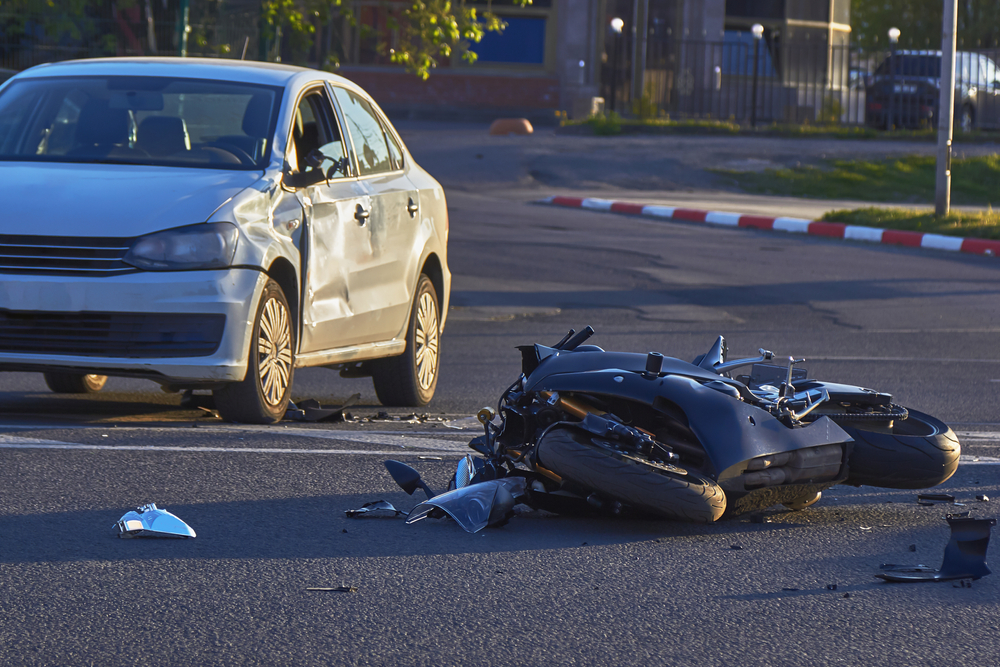
When a motor vehicle accident occurs in Ohio, time isn’t on your side. Whether it’s notifying the authorities, informing your insurance company, or filing a legal claim, each step must be taken within specific timeframes defined by state law. Failing to meet the accident reporting deadlines can jeopardize your ability to recover compensation from the negligent parties.
Immediate Responsibilities at the Scene of the Crash
Ohio’s Legal Requirement to Stop and Report
Under Ohio Revised Code § 4549.02, if you’re involved in a motor vehicle accident that results in injury, death, or property damage, you’re required by law to:
- Stop at the scene (or as close as safely possible)
- Remain at the scene until you have fulfilled your statutory obligations
- Provide your name, address, vehicle registration number, and, if requested, your driver’s license
Failure to stop or report the accident can result in criminal charges from a misdemeanor to a felony, depending on the severity of the accident.
When Must Police Be Notified?
In Ohio, you must immediately notify law enforcement if any of the following conditions are met:
- The accident results in injury or death
- The accident results in property damage exceeding $1,000
- The accident occurs on a public road or highway
This obligation is codified under Ohio Administrative Code 4501-1-10 and aligns with national standards for traffic reporting. If police don’t respond to the scene, you may be required to file a crash report (Form BMV 3303) with the Ohio Bureau of Motor Vehicles (BMV).
Timelines for Reporting to Law Enforcement in Ohio
On-the-Scene Reporting
If law enforcement is called to the scene, the reporting is typically handled by the responding officer, who will:
- Document injuries and damage
- Assign preliminary fault
- Submit a formal crash report
In this case, no additional individual filing is required, although you should request a copy of the crash report for your records.
Officers Not Present? File Within Six Days
If police don’t respond and the accident meets the reportable criteria, you have 6 days to file a crash report with the Ohio BMV using Form BMV 3303. This applies particularly to crashes on private property or minor collisions where law enforcement declines to respond.
Reporting the Accident to Your Insurance Company
Policy-Driven Deadlines
Ohio law doesn’t set a timeframe within which you must notify your insurer. However, insurance contracts almost universally require “prompt” or “timely” notification. The definition of “prompt” varies by policy, but insurers often consider 24 to 72 hours to be reasonable.
Failing to report within this window can lead to:
- Claim denial, especially for first-party claims (e.g., collision coverage)
- Coverage limitations
- Policy cancellation in severe cases
Best Practice
Even if you weren’t at fault, notify your insurer as soon as possible. Delays can complicate third-party claims and hinder subrogation efforts.
Legal Deadlines for Filing a Personal Injury or Property Damage Lawsuit in Ohio
Ohio’s Statute of Limitations for Car Accident Claims
The most critical long-term deadline following an accident is the statute of limitations for filing a lawsuit. Ohio follows the time limits outlined in Ohio Revised Code § 2305.10, which sets a:
- Two-year deadline for personal injury claims
- Two-year deadline for property damage claims
This means you have two years from the date of the accident to file a lawsuit in civil court against the at-fault driver or any other responsible parties.
Wrongful Death Claims
If the accident resulted in a fatality, and you’re pursuing a wrongful death claim, the statute of limitations is also two years, but it begins from the date of death, not the date of the accident. This distinction is vital when death occurs days or weeks after the motor vehicle crash.
Tolling and Exceptions to the Two-Year Rule
Some circumstances may extend or pause the personal injury statute of limitations in Ohio:
- Minors and Legally Incompetent Individuals: The clock may not start until the injured party turns 18 or is declared competent.
- Discovery Rule: In limited cases where injuries weren’t immediately discoverable, the statute may begin when the injury is discovered or should have been discovered.
- Out-of-State Defendant: If the at-fault party leaves Ohio, the statute may pause until they return.
These exceptions are narrowly construed, and courts rarely grant extensions without a compelling legal basis.
Filing a Claim Against a Government Entity in Ohio
If the accident involved a government vehicle, municipal worker, or hazardous road condition, the process becomes more complex. You may be filing against a city, county, or the state of Ohio.
Shorter Timelines and Immunity Rules
Under Ohio Revised Code Chapter 2744 (the Political Subdivision Tort Liability Act), a government entity may be immune from liability, but exceptions apply in cases involving:
- Negligent operation of a motor vehicle by a government employee
- Failure to keep public roads in repair
- Negligence in traffic control device placement.
Deadline to File a Claim
Most government entities in Ohio require a notice of claim within 6 months from the date of the accident. Filing a lawsuit generally remains subject to the two-year statute of limitations, but failure to provide proper notice can bar recovery.
Ohio Uninsured and Underinsured Motorist Claims
If you’re hit by an uninsured driver or a driver with insufficient coverage, you may turn to your uninsured/underinsured motorist (UM/UIM) policy. These claims generally have contractual reporting requirements that differ from standard liability claims.
Statutory and Contractual Deadlines
- The statute of limitations is still two years
- Your insurance policy may require notice within 30 days, or another defined period, after the accident or after discovering the other driver’s lack of coverage.
Failure to comply with the notice provision, even if the overall statute of limitations hasn’t expired, can void your UM/UIM claim in Ohio.

Commercial Vehicle Accidents and Federal Reporting Rules
If the accident involved a commercial vehicle subject to Federal Motor Carrier Safety Administration (FMCSA) regulations, the reporting and preservation of evidence becomes more nuanced. Under 49 CFR Part 390, commercial carriers must retain:
- Driver logs
- Maintenance records
- Drug and alcohol testing results
These may be purged within 6 months, so it’s essential to issue a spoliation letter or preservation request as soon as possible to prevent destruction of critical evidence.
What Happens If You Miss a Deadline?
Missing any of the key deadlines outlined above can severely impact your case. Here’s what may happen:
Failure to Report to Law Enforcement
- You may be charged with a misdemeanor or felony, depending on the severity of the accident and the resulting harm.
- You could also face administrative penalties, including license suspension or revocation.
Failure to Notify Your Insurer
- Your claim may be denied for failure to cooperate under your policy’s terms.
- You may lose the ability to access first-party benefits, such as med-pay, rental reimbursement, or underinsured motorist coverage.
Failure to File a Lawsuit on Time
- Courts will almost always dismiss lawsuits filed after the statute of limitations has run.
- You will lose your legal right to pursue compensation, regardless of the strength of your case or the severity of your injuries.
How to File an Accident Report in Ohio
In Ohio, filing an accident report depends on the severity of the crash and whether law enforcement responds to the scene. If a police officer arrives, they will typically file an official crash report (Ohio Traffic Crash Report, Form OH-1), and no additional action is required from the drivers involved. You can later request a copy of this report through the Ohio Department of Public Safety’s website.
However, if police don’t respond and the accident results in injury, death, or more than $1,000 in property damage, drivers are legally required to file a report themselves. In such cases, you must complete and submit Form BMV 3303 (Crash Report) to the Ohio Bureau of Motor Vehicles (BMV) within 6 days of the accident.
This form is available online or at any local deputy registrar license agency. When completing the form, provide accurate details about the crash, including:
- Names and addresses of all parties involved
- Vehicle information and insurance details
- Description of injuries and property damage
Keep a copy for your records. Timely and accurate reporting is essential to comply with state law and protect your ability to file a future insurance or legal claim.
Schedule a Free Consultation With Our Ohio Accident Attorneys Today
At The Henry Law Firm, we understand how overwhelming the aftermath of a car accident can be. The stress increases when deadlines loom and insurers apply pressure. Our Ohio accident lawyers leverage decades of experience, cutting-edge investigative techniques, and a deep knowledge of the state’s personal injury laws to ensure that no deadline is missed and no detail is overlooked.
We work hand-in-hand with our clients, providing 24/7 access, personalized communication, and trial-ready representation. From the moment you contact us, you will have a tough, dedicated personal injury attorney on your side who is prepared to take on insurers, government entities, and corporate defendants alike.
Let’s make sure every deadline is met and every opportunity for justice and compensation is strongly pursued. To schedule your free consultation, call us at 440-291-0937 or contact us online.