November 26, 2025
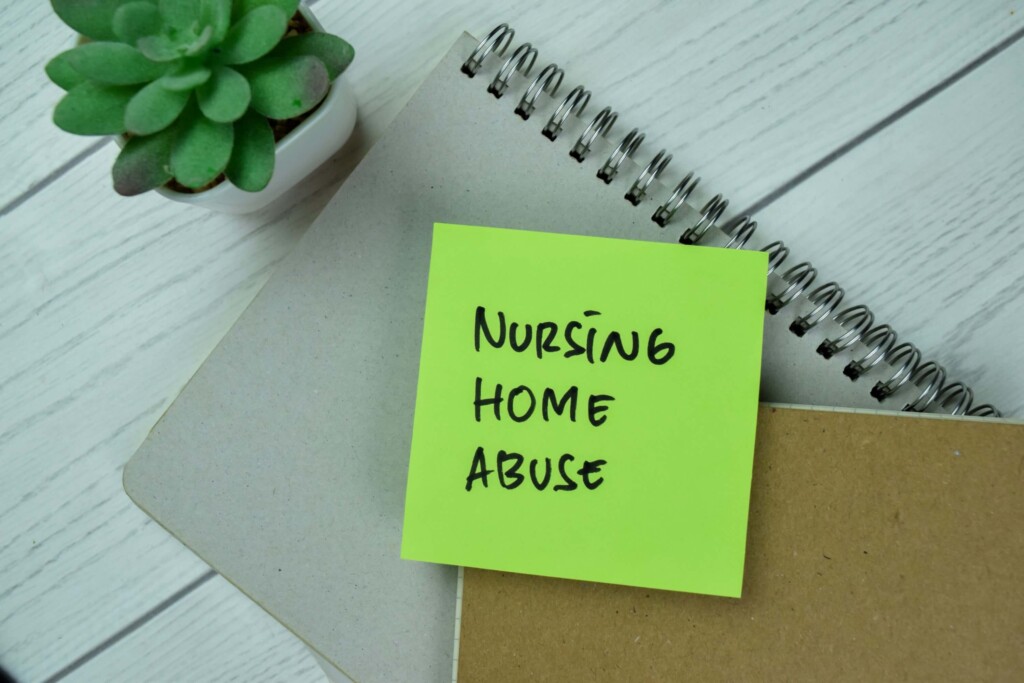
Knowing what nursing home abuse is begins with the recognition that mistreatment inside long-term care settings can take many forms and create lasting harm when facilities fail to protect those in their care. State and federal laws impose strict obligations on facilities to protect every nursing home resident from harm, yet abuse continues to occur in ways that are both visible and concealed.
Ohio law recognizes that mistreatment in nursing homes can take many forms, ranging from direct violence to silent neglect that slowly damages a resident’s physical and emotional well-being. This type of home abuse is a serious breach of legal duty, and families are entitled to answers when a facility violates the standard of care.
If your elderly loved one has suffered nursing home neglect or abuse, you should consult an experienced Ohio nursing home abuse attorney to hold the negligent parties liable for maximum damages.
Legal Definition of Nursing Home Abuse in Ohio
Ohio law classifies nursing home abuse as any intentional act, negligent act, or failure to act that causes injury, pain, or loss to an older adult living in a long-term care environment.
These facilities are required to provide proper care, maintain safety protocols, prevent foreseeable harm, and ensure that the resident’s basic needs are met. When a facility’s actions or omissions cause harm, the conduct may fall under the broad category of elder abuse or nursing home neglect.
Ohio regulators and national agencies, including the World Health Organization, recognize that abuse can be intentional or arise from inadequate training, understaffing, or a facility’s failure to follow mandated safety procedures.
Abuse and neglect occur when the facility or its employees disregard the well-being of vulnerable residents, which places older adults at risk of declining health and devastating consequences.
Types of Abuse Recognized Under Ohio Law
Physical Abuse
Physical abuse or physical harm includes hitting, pushing, kicking, or any use of force that results in pain or injury. These acts may cause physical injuries, visible bruising, broken bones, or signs of bodily harm that require urgent medical assessment.
Sexual Abuse
Facilities must protect residents from sexual abuse, including non-consensual sexual contact and acts that rise to the level of sexual assault. These violations frequently occur when staffing levels are low or when inadequate supervision leaves residents alone with dangerous individuals.
Emotional Abuse
Ohio law also prohibits emotional abuse, which includes threats, humiliation, isolation, and repeated verbal abuse. These acts by nursing home staff or management can create significant emotional harm and long-term stress for elderly residents.
Psychological Abuse
Forms of psychological or mental abuse in nursing homes include manipulation, intimidation, and deliberate infliction of fear. Many family members describe this as invisible harm that is difficult to detect but deeply damaging.
Medical Neglect
Ohio nursing home facilities are required to provide appropriate medical care, monitor health conditions, and treat residents consistently to prevent serious harm. Failure to do so may constitute medical neglect, leading to health complications, pressure ulcers, untreated medical conditions, and unsafe medication practices, such as medication mismanagement.
Environmental Neglect
Environmental neglect arises in nursing homes that fail to ensure safety, resulting in falls, infections, and other injuries caused by hazardous conditions. Poor hygiene, lack of mobility assistance, and failure to maintain sanitary surroundings all increase the risk of further harm.
Financial Abuse
Financial abuse and financial exploitation arise when someone inside a nursing home facility misuses a resident’s funds, benefits, or property for personal gain.
Who Is at Risk of Nursing Home Abuse?
Abuse and neglect impact residents in every type of setting, including an assisted living facility or rehabilitative environment. Those most at risk include individuals with memory impairment, limited mobility, or cognitive decline. Each vulnerable adult deserves protection, yet other residents or undertrained staff sometimes create unsafe situations.
Families rely on facilities to maintain safety, but many families discover that staff members and administrators failed to provide adequate supervision. A nursing home administrator must ensure that hiring, staffing, and training meet legal requirements. When they fail, the results can include physical violence, preventable illness, or injury.
Warning Signs of Abuse or Neglect
Families must remain alert to warning signs that suggest abuse or neglect. While some symptoms are visible, others develop over time. Common indicators include:
- Unexplained injuries, bruises, or fractures
- Sudden unexplained weight loss or gradual weight loss
- Withdrawal, anxiety, or avoidance behaviors
- Lack of proper care, malnutrition, or dehydration
- A decline in the resident’s health due to medical inattention
- Evidence of physical evidence, such as torn clothing or bloodstains
- Restricted communication with a loved one
These indicators show potential danger and require immediate action to suspect abuse and notify the proper authorities.
Health Risks Created by Nursing Home Abuse
Abuse produces acute and long-term consequences. Some residents may endure severe injuries, including broken bones, as well as infections from poor hygiene or complications due to medical neglect. The emotional toll creates emotional distress, anxiety, and depression. Many residents experience reduced mobility, increased frailty, and serious harm from untreated conditions.
Without intervention, neglect may cause rapid deterioration, increased hospitalizations, and long-term cognitive changes. Negligent facilities that fail to meet their duties place every resident at risk.
Growing Risk of Nursing Home Abuse Incidents
Various national center organizations and federal agencies regularly highlight that abuse is significantly underreported. Nursing home abuse statistics and trends reveal increasing complaint numbers, higher rates of injury, and ongoing citation patterns. Ohio regulations require facility reports when any incident suggests harm or neglect. However, families frequently uncover issues long before the state intervenes.
Steps Families Should Take if They Suspect Abuse
When you suspect abuse in a facility, swift action protects your loved one from additional harm.
Immediate Response
Families should request evaluation from qualified medical personnel and review the resident’s medical records. They should also document injuries, preserve evidence, and remove the resident from danger when necessary.
Reporting and Investigation
Ohio law requires reporting nursing home abuse to state agencies, law enforcement, and healthcare professionals. These investigations help prevent nursing home abuse and ensure that negligent parties are held accountable.
Legal Action
Working with experienced nursing home abuse attorneys or trusted nursing home abuse lawyers helps families deal with the legal process, find evidence, and pursue civil lawsuits against abusers and negligent facilities to seek justice.
How a Lawyer Helps Build a Strong Case
Skilled Ohio nursing home abuse attorneys will move fast to obtain and analyze evidence, interview witnesses, and gather documentation to show how abuse in nursing homes occurred. Cases may involve reviewing staffing policies, identifying other dangerous residents, examining facility practices, and determining how neglect led to health complications or emotional trauma.
Get High-Powered Legal Representation from Our Ohio Nursing Home Abuse Lawyer
The Henry Law Firm provides dedicated legal guidance and representation to families dealing with abuse in Ohio nursing home facilities. If you need help understanding whether mistreatment occurred or want a free case evaluation, the firm can offer a compassionate review.
Our Ohio attorney, Megan Shore, is widely regarded as one of the country’s strongest plaintiff-side advocates in nursing home abuse and neglect, assisted living abuse and neglect, and CILA abuse and neglect litigation. Her work has earned her a place among the National Trial Lawyer’s Top 10 Nursing Home Lawyers, and her cases have been featured across major media outlets.
Megan also serves on the executive committee of the American Association for Justice Nursing Home Litigation Group, a role that reflects her influence in shaping national litigation strategies and advancing protections for residents. Call us at (440) 337-0083 or fill out our online contact form to schedule your free consultation.
8401 Chagrin Road Suite 18 Chagrin Falls, OH 44023
850 Euclid Ave Suite 1012 Cleveland, OH 44114
Home Meet Eric Henry Meet the Team Client Testimonials Auto Accident Settlement Calculator Practice Areas Blog Privacy Policy Contact